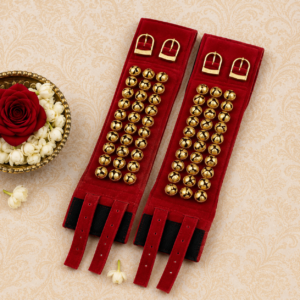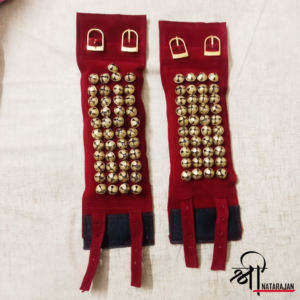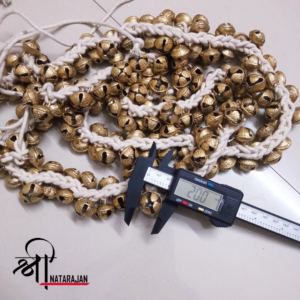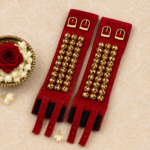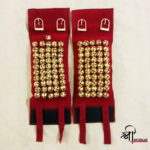
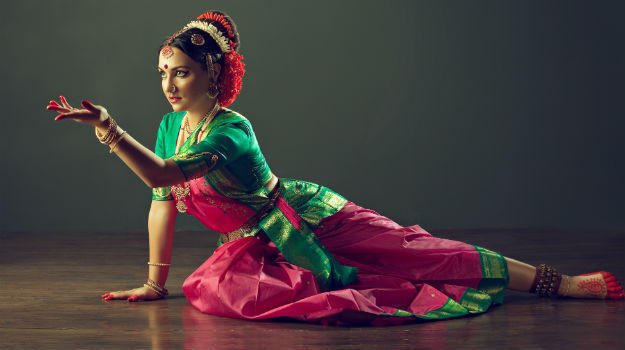
If you have ever watched an Indian classical dance performance, one element you would never miss is the rhythmic sound of ghungroos. Long before an audience notices intricate footwork or expressive abhinaya, it is the sound of ghungroos that establishes rhythm, discipline, and presence on stage. Far from being a decorative accessory, ghungroos are an essential instrument that connects movement, music, and meaning in Indian classical dance.
In Indian tradition, rhythm (tala) is considered sacred. Dance is not merely a visual art form but a living expression of time, order, and devotion. Ghungroos serve as the dancer’s physical link to this rhythm, transforming each step into a conscious, audible dialogue with music and space.
Ghungroos as a Symbol of Discipline and Devotion
For many dancers, ghungroos mark an important milestone in their training. The first time a student ties ghungroos is often treated with reverence, symbolising commitment to the art form and respect for the guru–shishya tradition. In several households and institutions, dancers perform a small prayer before wearing ghungroos, acknowledging them as tools of learning rather than mere ornaments.
This respect comes from the understanding that ghungroos demand discipline. Once tied, every movement becomes audible. Mistakes cannot be hidden. Timing, balance, and posture are revealed through sound, making ghungroos a constant reminder of precision and responsibility in practice.
Ghungroos as a Rhythm Instrument, Not an Accessory
Unlike jewellery, ghungroos are designed to produce controlled, intentional sound. Each bell responds to weight transfer, foot placement, and speed of movement. This makes ghungroos a rhythm instrument that works in harmony with percussion instruments such as the mridangam, tabla, or nattuvangam.
During training, gurus often rely on ghungroo sound to correct students. An unclear or uneven sound can indicate improper stamping, lack of balance, or incorrect distribution of weight. Over time, dancers learn to internalise rhythm through their ghungroos, developing a stronger sense of tala even in silence.
Role of Ghungroos in Different Classical Dance Forms
Although ghungroos are used across many Indian classical dance forms, their role and construction vary depending on the movement vocabulary of each style.
In Bharatanatyam
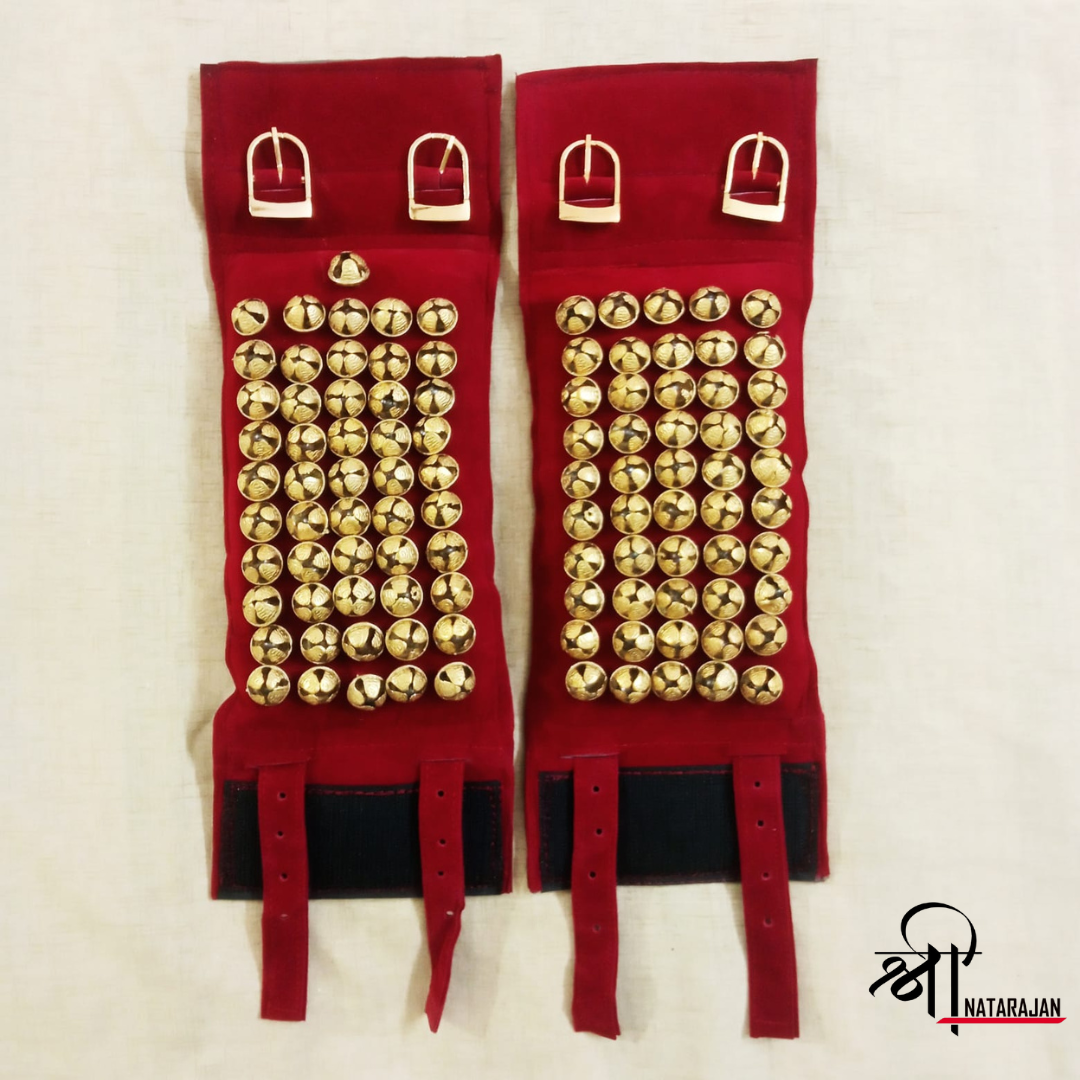
Bharatanatyam is characterised by grounded movements, firm stamps, and structured footwork. Ghungroos in this form are meant to support clarity, weight, and resonance. The sound complements araimandi posture and strong rhythmic patterns, helping dancers maintain precision during long practice sessions and performances.
In Kathak
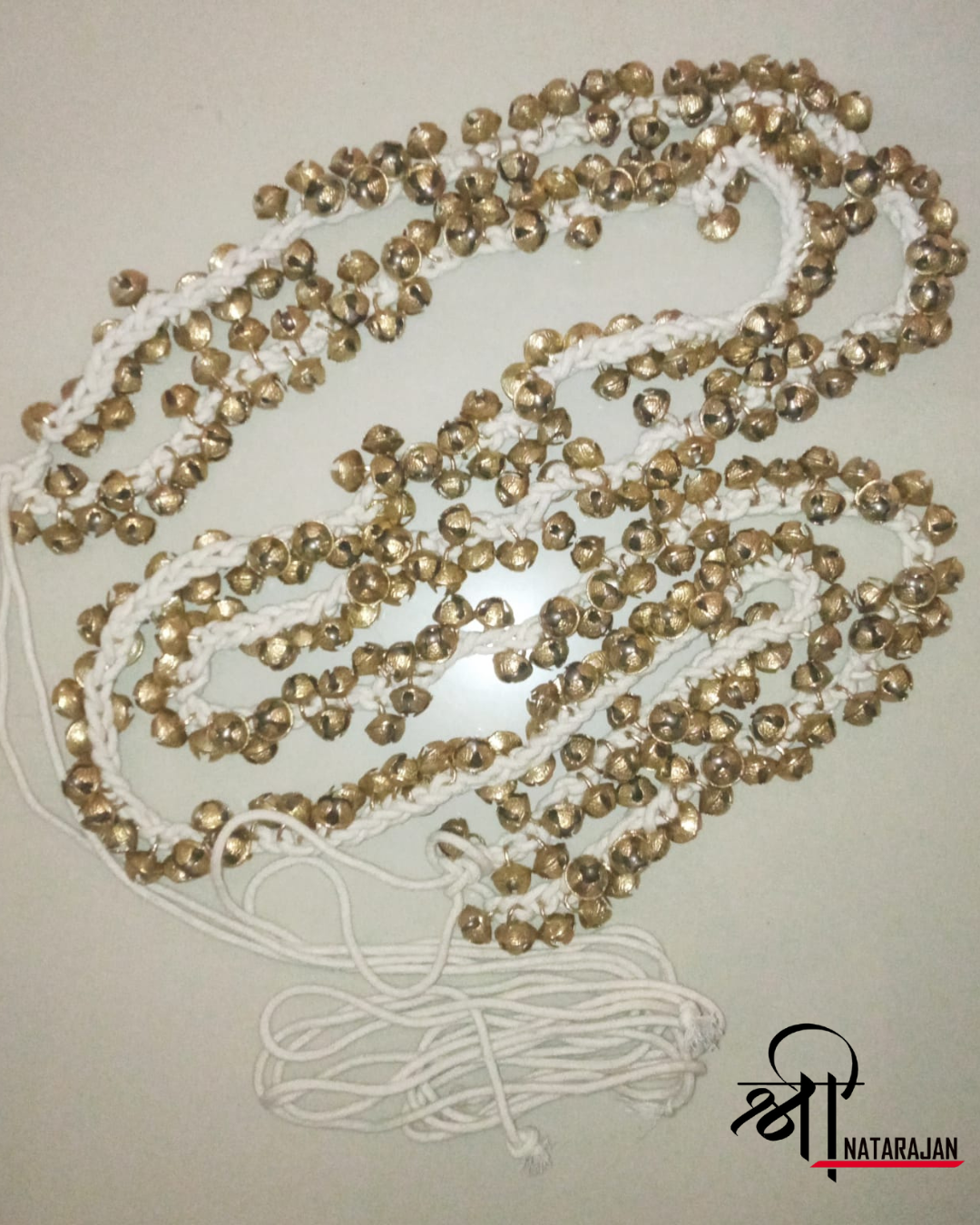
Kathak places emphasis on speed, intricate footwork, and rapid spins (chakkars). Here, ghungroos act as an extension of the dancer’s rhythmic vocabulary. The density and arrangement of bells allow for sharp, fast articulation, making the sound as expressive as the movement itself.
These differences highlight why ghungroos are not interchangeable across dance forms. Their design must align with the technical demands of the style.
Importance of Ghungroos During Practice
Ghungroos play a crucial role in daily training. For beginners, they help establish rhythm awareness and coordination between movement and sound. For intermediate dancers, ghungroos support stamina building and consistency, ensuring that footwork remains precise even during extended practice.
Practising regularly with ghungroos also develops muscle memory. Over time, dancers learn how subtle changes in pressure or speed affect sound, leading to greater control and refinement in movement.
Importance of Ghungroos During Performance
On stage, ghungroos serve a different purpose. They help project rhythm to the audience, enhance synchronization with live musicians, and reinforce the dancer’s presence. A well-balanced ghungroo set produces sound that is clear without being harsh, supporting both solo performances and group compositions.
Professional dancers often maintain separate ghungroos for practice and performance. This ensures consistency in sound quality on stage while preserving comfort and durability during rehearsals.
Why the Quality of Ghungroos Matters
The importance of ghungroos also lies in their construction. Poorly made ghungroos can lead to uneven sound, discomfort, or strain on the ankles during long hours of practice. Over time, this can affect both technique and physical well-being.
High-quality ghungroos are designed to balance sound clarity, comfort, and durability. When chosen correctly, they support a dancer’s growth rather than becoming a limitation.
Ghungroos in the Modern Context of Classical Dance
Today, classical dancers train more intensively, perform on diverse stages, and often practice for extended durations. As a result, ghungroos must meet both traditional and modern demands. While their cultural and spiritual significance remains unchanged, their functional role has become even more important in supporting rigorous training schedules and professional performances.
Understanding the importance of ghungroos helps dancers make informed choices, respecting tradition while adapting to contemporary needs.
Conclusion
Ghungroos are not simply worn; they are earned, respected, and understood over time. They represent discipline, devotion, and dialogue with rhythm. From the first hesitant steps of a beginner to the confident footwork of a seasoned performer, ghungroos remain a constant companion in a dancer’s journey.
By recognising their deeper significance : cultural, technical, and practical, dancers can appreciate ghungroos not just as sound-producing tools, but as an integral part of Indian classical dance itself.
At Shri Natarajan, ghungroos are viewed not just as dance accessories, but as rhythm instruments that support a dancer’s long-term growth and performance needs.
(Last updated on 8th Feb, 2026)